Ceramic-Filled Epoxy Fiberglass Tubes for MV/HV Fuse Bodies
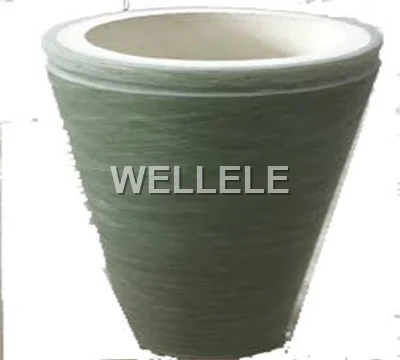
Arc-resistant, high-track-resistance tubes for current-limiting and HV fuse links. Ceramic-filled epoxy glass combines the arc containment of ceramic with the machinability of epoxy glass. It is specified where the fuse must survive high clearing energy without tracking or wall blowout. This is a material system, not a single part number.
Technical specifications
| Material | Epoxy glass + ceramic filler |
| Service temperature | Up to ~180 degC class |
| Track resistance | High (CTI rated, arc-quenching) |
| Voltage class | MV / HV per drawing |
| Form | Filament-wound or molded tube |
💾 Datasheets & Test Reports
Download the technical data sheet for this product (PDF).
Applications by industry
- MV/HV fuse body bores needing arc erosion resistance
- Current-limiting fuse barrels for class-limited break duty
- Switchgear insulating tubes with ceramic loading
- Transformer primary fuse bodies
- Capacitor discharge fuse links with thermal margin
- Fuse tubes where arc products must not track the wall
Why ceramic-filled epoxy fiberglass for this application
Ceramic filler raises the arc-erosion and thermal budget of the epoxy-glass wall, giving a fuse bore that survives repeated clearing without carbon tracking along the surface.
p>Heavier and more brittle than standard G10. Drop/impact care in transit. Confirm ceramic loading versus your CTI and arc requirements; not universally arc-proof. drop/impact care in transit. Confirm ceramic loading versus your CTI and arc requirements; not universally arc-proof.Standards: IEC 60282-1, ASTM D709, UL 248.
Feature and remaining-wall review
Ceramic-Filled Epoxy Fiberglass Tubes is machined with diamond-coated tooling for clean edges, then CNC turned, ground and drilled to drawing. With moisture content controlled, dimensional stability holds. Feature depth, edge distance and remaining wall are checked against the critical geometries, and capability is confirmed on your drawing rather than a blanket tolerance.
Inspection and traceability
We state the control plan with you. Batch traceability links raw material lot to finished part.
- First-article inspection (FAI) per your plan
- In-process dimensional checks at every station
- Batch certificate of conformance (COA) supplied on request
- Lot traceability to incoming material certificate
- Dielectric strength and insulation resistance testing available on request
Related components
Synthetic Arc-Quenching Fuse Tubes
Related insulation component from the WELLELE catalog.
Medium & High Voltage Fuse Link Bodies
Related insulation component from the WELLELE catalog.
Filament-Wound Epoxy Tubing
Related insulation component from the WELLELE catalog.
Common questions
How is Ceramic-Filled Epoxy Fiberglass Tubes for MV/HV Fuse Bodies specified?
Specification for Ceramic-Filled Epoxy Fiberglass Tubes starts from the assembly duty, not from a datasheet number. Give us the voltage, the working temperature and the mechanical loads, and we confirm which grade fits.
Which material is Ceramic-Filled Epoxy Fiberglass Tubes for MV/HV Fuse Bodies manufactured from?
The material is Epoxy glass + ceramic filler. It is supplied as filament-wound or molded tube. Alternate grades can be quoted against your drawing.
Is a material certificate of analysis provided for Ceramic-Filled Epoxy Fiberglass Tubes for MV/HV Fuse Bodies?
Each batch of Ceramic-Filled Epoxy Fiberglass Tubes is traceable through its material certificate of analysis. First-article reports and dielectric testing are performed to your named method.
Can Ceramic-Filled Epoxy Fiberglass Tubes for MV/HV Fuse Bodies be produced to a customer drawing?
Bore, wall and cut length for Ceramic-Filled Epoxy Fiberglass Tubes are supplied to your drawing, and the quotation follows the drawing and the quantity you plan to run.
Engineering Guides & Selection Notes
Technical articles that go deeper on selecting and specifying Ceramic-Filled Epoxy Fiberglass Tubes.
Get pricing for Ceramic-Filled Epoxy Fiberglass Tubes for MV/HV Fuse Bodies
For Ceramic-Filled Epoxy Fiberglass Tubes, attach the drawing plus the annual volume. Material, tolerance, ID, OD, wall and features all get checked against it before we quote, and the manufacturability notes for Ceramic-Filled Epoxy Fiberglass Tubes come with the price.