Current-Limiting Fuse Tubes in Epoxy Glass
Bodies for current-limiting links, built to the clearing spec. Current-limiting links clear fault current fast and generate high internal energy. The body must contain that energy and keep dimensions. We build it in epoxy glass or ceramic epoxy glass per the clearing spec. We review the clearing current and energy with you and select the wall and material before production.
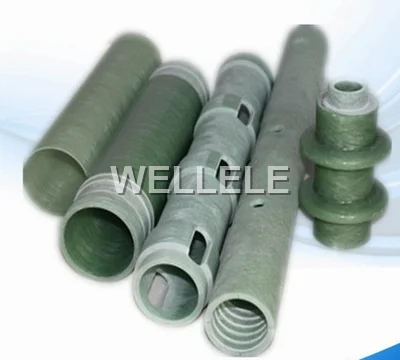
Technical specifications
| Material | Epoxy glass / ceramic epoxy glass |
| Use | Current-limiting links |
| Control | Wall per clearing energy |
| Standard | ASTM D2583 (G10), IPC-4101 (FR-4), IEC 60672 (thermal). |
| Operating temperature | -40 °C to +130 °C |
| Dielectric strength | ≥ 20 kV/mm (per ASTM test method) |
💾 Datasheets & Test Reports
Download the technical data sheet for this product (PDF).
Applications by industry
- Current-limiting fuse bodies for MV primary circuits
- HRC fuse link barrels rated to defined KA breaking capacity
- Motor-circuit current-limiting fuses
- Transformer primary HRC fuse bodies
- Capacitor and feeder protection HRC links
- Fuse bodies machined to IEC 60282-1 for MV networks
Why epoxy fiberglass for this application
Epoxy-glass fuse bodies confine the arc inside the bore, letting the quartz-fibre filler act in current-limiting mode. The epoxy matrix holds the bore geometry steady under the thermal ring before clearing, which matters for repeatable let-through performance.
Bore surface finish and concentricity govern arc confinement. Confirm filler spec and end-cap seal integrity at assembly. Not for liquid-fill service unless resin grade changed.
Standards: IEC 60282-1 (HV current-limiting fuses), UL 248, ASTM D709 (epoxy glass).
Feature and remaining-wall review
Machining Current-Limiting Fuse Tubes in Epoxy Glass uses diamond-coated tools so the edges stay clean, with CNC turning, grinding and drilling to your drawing. Dimensional stability is good when moisture content is controlled. Feature depth, edge distance and remaining wall are reviewed before quotation, and capability follows your drawing rather than a general tolerance.
Inspection and traceability
We state the control plan with you. Batch traceability links raw material lot to finished part.
- First-article inspection (FAI) per your plan
- In-process dimensional checks at every station
- Batch certificate of conformance (COA) supplied on request
- Lot traceability to incoming material certificate
- Dielectric strength and insulation resistance testing available on request
Related components
Ceramic-Filled Epoxy Fiberglass Tubes
Related insulation component from the WELLELE catalog.
Filament-Wound Epoxy Tubing
Related insulation component from the WELLELE catalog.
Synthetic Arc-Quenching Fuse Tubes
Related insulation component from the WELLELE catalog.
Common questions
What are the typical applications for Current-Limiting Fuse Tubes in Epoxy Glass?
Typical applications are current-limiting links. Describe the duty and the environment, and we will confirm whether Current-Limiting Fuse Tubes in Epoxy Glass is the right grade for it.
What material is used for Current-Limiting Fuse Tubes in Epoxy Glass?
The material is Epoxy glass / ceramic epoxy glass. Alternate grades can be quoted against your drawing.
Is material certification supplied with Current-Limiting Fuse Tubes in Epoxy Glass?
Batch records for Current-Limiting Fuse Tubes in Epoxy Glass include the material certificate of analysis. First-article inspection and dielectric strength testing are optional add-ons set by your specification.
Can Current-Limiting Fuse Tubes in Epoxy Glass be made to our drawing?
The bore, wall and cut length of Current-Limiting Fuse Tubes in Epoxy Glass are supplied to your drawing. Send us the print and the quantity and we quote against both.
Engineering Guides & Selection Notes
Engineering notes covering the sizing and specification questions around Current-Limiting Fuse Tubes in Epoxy Glass.
Get pricing for Current-Limiting Fuse Tubes in Epoxy Glass
Put the drawing and the annual volume into the enquiry for Current-Limiting Fuse Tubes in Epoxy Glass. We review the material against your duty and tolerance and check ID, OD, wall and features, then reply with what we can hold on Current-Limiting Fuse Tubes in Epoxy Glass and what it costs.