Vulcanized Fiber and Fiberglass Combination Tubes
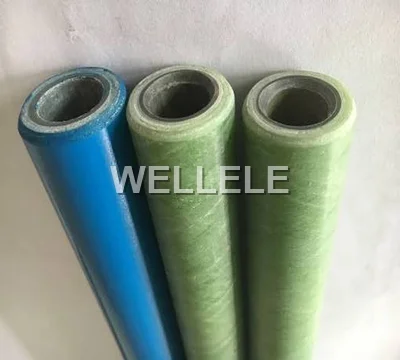
Fiber inner with fiberglass reinforcement for stronger thin-wall bodies. Reinforcing vulcanized fiber with a fiberglass layer raises the thin-wall strength without losing machinability. We use this combination where the body sees both arc and hoop load. Layer thickness and sequence follow the load path on your drawing. We confirm the stack during the engineering review.
Technical specifications
| Material | Vulcanized fiber + fiberglass layer |
| Purpose | Thin-wall strength + arc resistance |
| Form | Combination tube |
| Standard | ASTM D2491 (vulcanized fiber), IEC 60269 (fuse dimensions), UL 94 V-0 (flammability, material dependent). |
| Operating temperature | -40 °C to +105 °C |
| Dielectric strength | ≥ 20 kV/mm (per ASTM test method) |
💾 Datasheets & Test Reports
Download the technical data sheet for this product (PDF).
Applications by industry
- Drop-out fuse bodies for MV/LV distribution networks
- Expulsion-type fuse tube assemblies
- Arc-quenching structural components for switchgear
- Fuse end caps with fibre core and glass strength
- Compensating fuse tubes combining arc and strength
- Custom fuse link bodies with machined external profiles
Why vulcanized fiber + fiberglass for this application
Combining vulcanized fibre with a fiberglass ply buffers the fragile fibre side while adding structural handling strength for outdoor cutouts that see mechanical strain plus arc
Bond integrity at the fibre/glass interface drives life; request bond samples before volume. Confirm arc face orientation.
Standards: ASTM D2491 + D709, IEC 60269, ANSI C37.47.
Feature and remaining-wall review
For Vulcanized Fiber and Fiberglass Combination Tubes, ID and OD are ground or turned and the CNC handles knurling, threading, slotting and cutting to drawing. Review of feature depth, edge distance and remaining wall happens pre-quotation, with capability confirmed against your drawing rather than a general tolerance.
Inspection and traceability
We state the control plan with you. Batch traceability links raw material lot to finished part.
- First-article inspection (FAI) per your plan
- In-process dimensional checks at every station
- Batch certificate of conformance (COA) supplied on request
- Lot traceability to incoming material certificate
- Dielectric strength and insulation resistance testing available on request
Related components
Fiber-Epoxy Combination Tubes
Related insulation component from the WELLELE catalog.
Custom Vulcanized Fiber Tubes
Related insulation component from the WELLELE catalog.
Filament Fiberglass Wound Tubing
Related insulation component from the WELLELE catalog.
Common questions
How do I select the right grade of Vulcanized Fiber and Fiberglass Combination Tubes?
Start with the duty for Vulcanized Fiber and Fiberglass Combination Tubes: the voltage, the temperature it will see and the mechanical load in the assembly. Send those and we match them against the grades in the specification table on this page.
Which material is Vulcanized Fiber and Fiberglass Combination Tubes manufactured from?
The material is Vulcanized fiber + fiberglass layer. It is supplied as combination tube. Alternate grades can be quoted against your drawing.
Is a material certificate of analysis provided for Vulcanized Fiber and Fiberglass Combination Tubes?
A material certificate of analysis goes out with each batch of Vulcanized Fiber and Fiberglass Combination Tubes. Add first-article inspection or dielectric strength testing if your quality plan requires the report.
Can Vulcanized Fiber and Fiberglass Combination Tubes be produced to a customer drawing?
We hold bore, wall and cut length on Vulcanized Fiber and Fiberglass Combination Tubes to your drawing. Give us the print and the quantity you need and the quotation is built on it.
Engineering Guides & Selection Notes
Engineering notes covering the sizing and specification questions around Vulcanized Fiber and Fiberglass Combination Tubes.
Get pricing for Vulcanized Fiber and Fiberglass Combination Tubes
Send the drawing for Vulcanized Fiber and Fiberglass Combination Tubes and state the annual volume. We check the grade against duty and tolerance, verify the bore, outside diameter, wall and any features of Vulcanized Fiber and Fiberglass Combination Tubes, and reply with manufacturability notes and pricing.